The Most Overlooked Piece of Soccer Gear for Young Athletes
This post is sponsored as part of a partnership between Responsival and this website. All opinions expressed are those of the author.
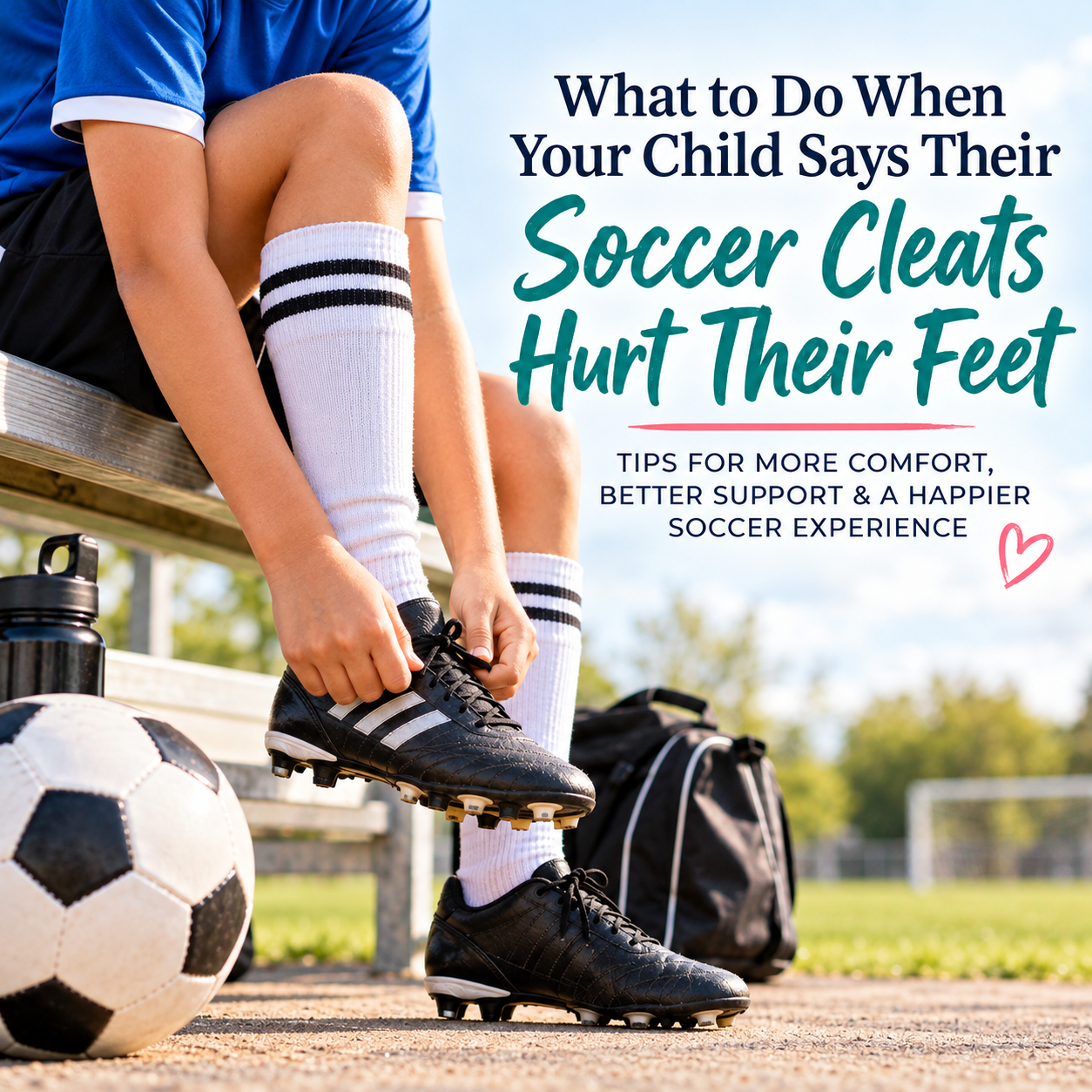
If you have a child who plays soccer, you’ve probably heard the complaint at least once:
“My cleats hurt my feet.”
It can be frustrating, especially when you’ve already invested in a quality pair of cleats. Many parents assume discomfort simply comes with the game, but that isn’t always the case. While soccer players spend a lot of time running, stopping, cutting, and changing direction, proper footwear support can make a big difference in overall comfort during practices, games, and tournaments.
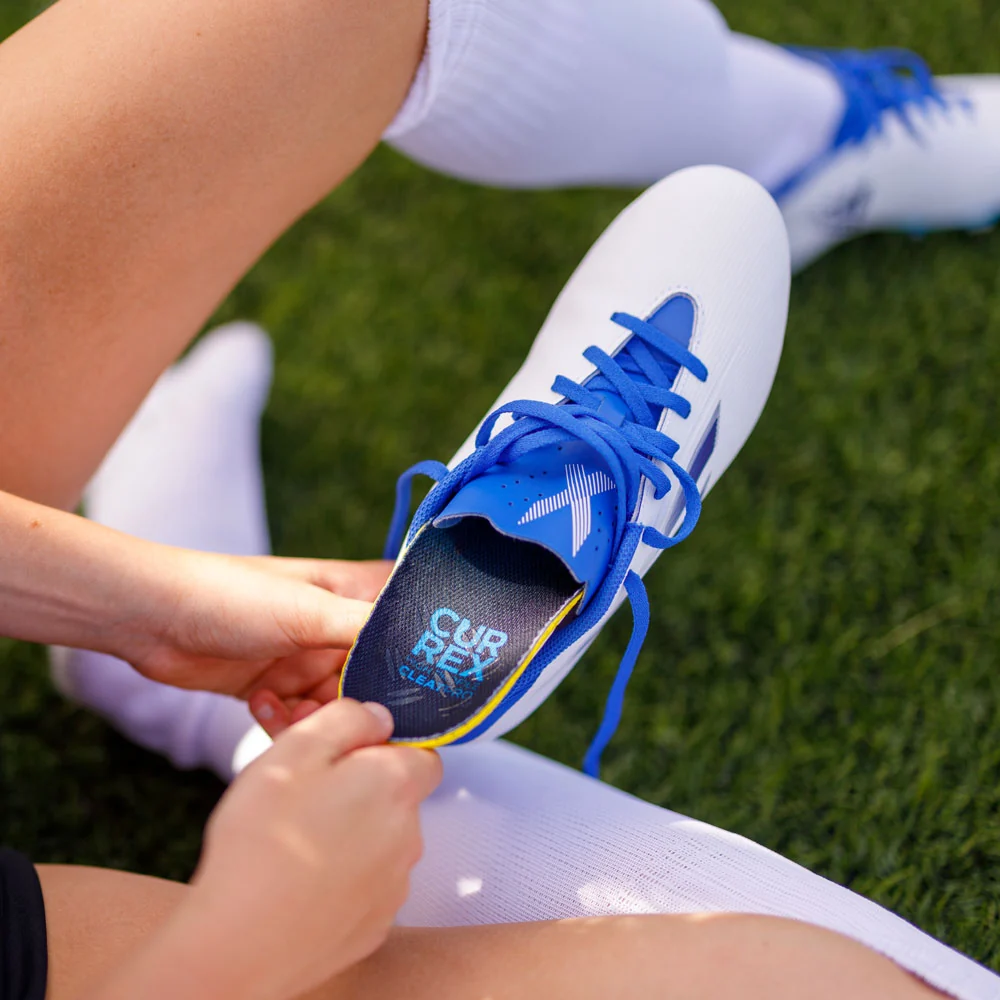
One often-overlooked solution is upgrading the insole inside the cleat. Many families are discovering that specialized soccer cleat insoles designed specifically for cleated footwear can provide a more supportive fit than the basic insoles that come standard in many cleats.
Why Soccer Cleats Sometimes Feel Uncomfortable
Soccer cleats are designed differently than everyday athletic shoes. They tend to have a lower profile and less cushioning to help players maintain better contact with the ground and improve ball control.
While that design has advantages on the field, it can sometimes leave young athletes feeling sore or fatigued after long practices and games.
Some common reasons players experience discomfort include:
- Cleats that are too narrow or too wide
- Feet still growing between seasons
- Long tournament weekends with multiple games
- Worn-out insoles
- Lack of proper arch support
- Wearing the wrong type of socks
When children are playing several times each week, even small fit issues can become more noticeable over time.
Signs Your Child Might Need Better Foot Support
Kids don’t always know how to explain what they’re feeling. Instead of saying they need more support, they may simply tell you their feet hurt.
Watch for signs such as:
- Complaints of sore feet after games
- Foot fatigue during practices
- Frequently removing cleats immediately after play
- Visible discomfort while running
- Blisters or recurring hot spots
- Reluctance to wear their cleats
If these issues continue despite having properly sized cleats, it may be worth taking a closer look at the support system inside the shoe.
Don’t Forget About Proper Cleat Fit
Before making any adjustments, make sure your child’s cleats fit correctly.
Experts generally recommend having a small amount of room near the toe while keeping the heel secure enough to prevent excessive movement. A poor fit can create pressure points that lead to discomfort throughout a game.
Long Tournament Weekends Can Be Tough on Young Athletes
Many soccer families spend entire weekends at tournaments, with players participating in multiple matches over a short period of time.
A few simple habits can help improve comfort:
- Bring an extra pair of soccer socks
- Stay hydrated throughout the day
- Remove cleats between games when possible
- Check for blisters early
- Allow feet to dry completely before the next match
- Make sure cleats and insoles are in good condition
Taking a few preventive steps can help children stay more comfortable when they’re spending hours on the field.
Supporting Young Athletes Beyond Performance
As parents, it’s easy to focus on goals scored, wins, losses, and league standings. But one of the most important things we can do is help our children enjoy their experience playing sports.
When kids feel comfortable and confident, they’re more likely to stay engaged, keep practicing, and continue participating in activities they love.
Organizations such as US Youth Soccer and HealthyChildren.org offer valuable resources for families looking to support young athletes both physically and emotionally.
Final Thoughts
If your child consistently complains about sore feet during soccer season, don’t assume it’s something they simply have to live with. Evaluating the fit of their cleats, making sure they’re wearing appropriate socks, and considering better foot support options can all contribute to a more comfortable experience on the field.
Sometimes the most overlooked piece of soccer gear isn’t the cleat itself. It’s what’s inside it.