A Soccer Mom’s Guide to Spending Smarter on Gear
This post is sponsored by Responsival. All opinions are my own.
Having a daughter who plays soccer means there’s usually another practice on the calendar and something that needs to go in the soccer bag. Between registration, uniforms, cleats, and all the little extras, the cost of a season adds up quickly.
When you’re budgeting for soccer gear, it’s worth looking at what goes inside the cleats, too. Options like soccer cleat insoles designed for added cushioning and grip are something to consider when comparing comfort and fit. Before buying, check the sizing and arch profile options to see whether they’re suitable for your child’s cleats.
Before adding anything to your cart, though, it helps to take inventory. Sometimes you need a replacement. Sometimes you need an adjustment. And sometimes last season’s gear is still perfectly useful.
Start With What Still Fits
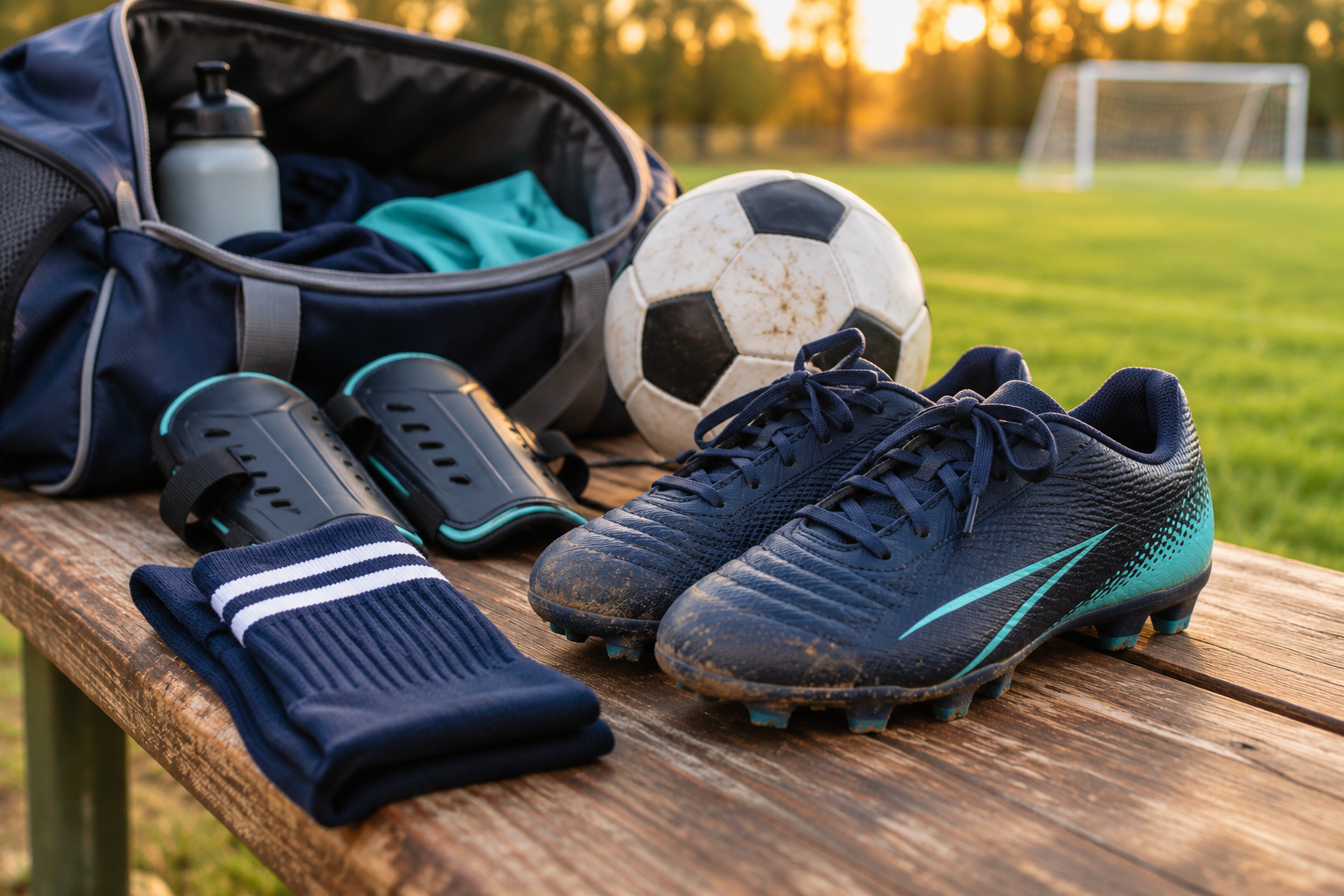
Before buying for another season, pull everything out of the soccer bag. Check the cleats, try on the shin guards, and find out whether those socks still have a matching partner.
Make three piles: ready to use, needs attention, and needs replacing. It’s much easier to shop with a short list than to stand in the sporting goods aisle trying to remember what’s already at home.
Cleats deserve a closer look, even if they still look fairly new. Have your child try them on with their soccer socks and explain how they feel. A pair that fit last season may feel very different now.
The adidas soccer cleat buying guide explains fit and the differences between shoes made for grass, artificial surfaces, and indoor play. Knowing which surface your child will use gives you a better starting point than shopping by appearance alone.
Where Soccer Cleat Insoles Fit Into the Budget
Soccer cleat insoles are worth understanding before deciding whether your child needs them. A replacement insole changes what’s inside the shoe, so the available space and overall fit matter.
CURREX describes its CLEATPRO insoles as designed for cleated sports, with three arch profiles: low, medium, and high. The product also features cushioning and an anti-slip surface intended to help limit movement inside the cleat. They’re trim-to-fit, with instructions for using the original removable liner as a sizing template.
Those details give parents something specific to compare. Check the size range and fitting instructions rather than assuming every insole will work in every cleat.
An insert also takes up space. If the shoe is already crowded, adding something inside deserves careful consideration. I’d want to understand the fit before spending money on an upgrade, just as I would with the cleats themselves.
Buy the Required Gear Before the Extras
There’s plenty of soccer gear to choose from, and a new player doesn’t necessarily need all of it on day one.
Ask the coach or league for the equipment list before shopping. Confirm the ball size, uniform requirements, and any rules about footwear or shin guards. That quick check can save you from buying something you’ll have to return.
For families still exploring youth soccer, US Youth Soccer has information about its programs and links to state associations. Your own club or league should be the first stop for its specific requirements.
Once the basics are covered, give yourself permission to wait on the extras. You can always buy a training accessory later when you know it will get used.
Make Gear Care Part of Unpacking
The soccer bag can become a place where damp socks and muddy cleats disappear until the next practice. Getting everything back out is a small chore, but it makes the next outing easier.
Set up a spot for cleats to air-dry, put dirty clothing straight into the laundry, and empty the water bottle when you get home. It’s also a good opportunity to notice loose stitching, damaged laces, or something that needs cleaning.
For footwear care, SOCCER.COM’s guide to cleaning soccer cleats covers removing dirt and caring for different materials. Follow the instructions for your particular pair, and avoid using heat to hurry the drying process.
Keep a Short List for Sales
A sale is most useful when it lines up with something you already need. Keep a note on your phone with current sizes, required items, and anything that needs replacing.
That gives you a way to judge a deal without making a rushed purchase. An extra pair of the right soccer socks may be more useful than a heavily discounted accessory that stays in the package.
I’m happy to spend on gear that fits well and earns its place in the bag. With soccer, there will always be another tempting purchase. Having a clear idea of what my daughter needs makes it easier to leave the rest on the shelf.