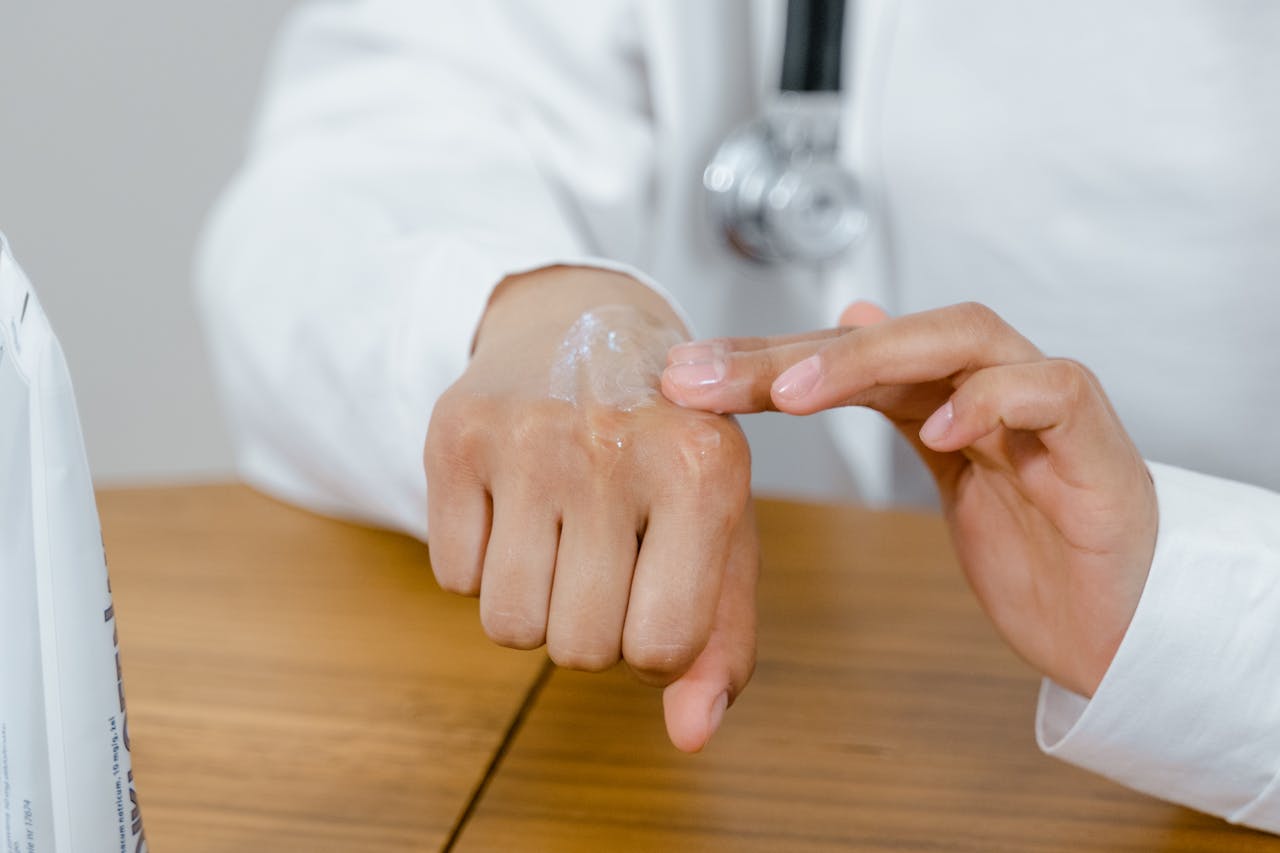
Specialist Strategies for Eczema on Hands, Face and Other Sensitive Areas
Introduction
Does your hand eczema disrupt daily activities through painful cracks and persistent itching that standard moisturizers cannot control? These sensitive areas require different treatment approaches than body eczema due to thinner skin, frequent environmental exposure, and constant use. Healthcare professionals employ targeted strategies combining prescription medications, barrier repair techniques, and protective measures specific to each affected area.
If you’re struggling with persistent eczema, consulting a best eczema doctor Singapore can help identify area-specific triggers, optimize treatments, and achieve better long-term control.
Hand eczema commonly affects healthcare workers, hairdressers, and food handlers due to frequent wet work and chemical exposure. Facial eczema responds differently to treatments because facial skin absorbs medications more readily and shows side effects from potent steroids quickly. Understanding area-specific treatment modifications helps achieve clearer skin while avoiding complications like skin thinning or perioral dermatitis.
Hand Eczema Treatment Strategies
Hand eczema presents unique challenges because hands contact irritants throughout the day and undergo frequent washing. Dermatologists classify hand eczema into several patterns: fingertip eczema affecting pulp areas, dyshidrotic eczema causing small blisters on palms and sides of fingers, and hyperkeratotic eczema creating thick, scaly patches on palms.
Treatment begins with identifying and eliminating triggers. Common irritants include:
- Dish soap
- Shampoo
- Cleaning products
- Hand sanitizers containing alcohol
Occupational exposures requiring investigation include:
- Latex gloves
- Metalworking fluids
- Cement
- Hair dyes
Patch testing identifies specific contact allergens in cases resistant to standard treatment.
Prescription treatments for hand eczema may include:
- Topical corticosteroids: A healthcare professional can determine appropriate strength and application frequency for acute flares
- Calcineurin inhibitors: Tacrolimus ointment for maintenance between steroid courses
- Phototherapy: Narrowband UVB or targeted excimer laser for chronic cases
- Systemic medications: Methotrexate or dupilumab injections for severe cases, with dosing determined by a healthcare professional
Barrier repair requires thick emollients applied immediately after washing while skin remains damp. Petroleum-based ointments provide occlusion compared to creams. Cotton gloves worn overnight after applying medication enhance penetration. Vinyl gloves protect hands during wet work compared to rubber alternatives.
Facial Eczema Management
Facial eczema requires careful medication selection because facial skin absorbs topical treatments more readily than body skin. The eyelids absorb medications significantly more than forearm skin, making them susceptible to steroid side effects. Common facial eczema patterns include eyelid dermatitis, perioral eczema around the mouth, and seborrhoeic eczema affecting the eyebrows and nasolabial folds.
Healthcare professionals may consider specific medications for facial use:
- Mild corticosteroids: Hydrocortisone 1% or desonide 0.05% – duration of use should be determined by a healthcare professional
- Non-steroidal options: Pimecrolimus cream – frequency and duration should be determined by a healthcare professional
- Antifungal combinations: Ketoconazole 2% cream for seborrhoeic eczema patterns
Skincare modifications may help prevent facial eczema flares. Fragrance-free cleansers with pH 5.5–6.0 maintain skin barrier function. Mineral sunscreens containing zinc oxide or titanium dioxide cause fewer reactions than chemical sunscreens. Makeup removal requires gentle micellar water rather than makeup wipes containing preservatives.
Environmental factors triggering facial eczema include airborne allergens like pollen, dust mites settling on pillowcases, and volatile organic compounds from new furniture or paint. Air purifiers with HEPA filters reduce airborne triggers in bedrooms. Changing pillowcases regularly prevents accumulation of irritants and allergens.
Eyelid Eczema Protocols
Eyelid eczema requires specialized treatment due to the thinnest skin on the body and proximity to eyes. Contact dermatitis from nail polish, mascara, or eyelash glue accounts for many cases. Allergic reactions to preservatives in eye drops create persistent inflammation mimicking chronic eczema.
Eyelid treatment options include:
- Tacrolimus 0.03% ointment: Application frequency determined by a healthcare professional
- Hydrocortisone acetate 1%: Duration of use during acute flares determined by a healthcare professional
- Petroleum jelly: Moisturizer without preservatives or fragrances
Eye makeup and skincare products require careful selection. Preservative-free formulations may reduce sensitization risk. Products labeled “ophthalmologist-tested” undergo specific evaluations. Removing eye makeup with pure mineral oil followed by gentle cleanser may help prevent mechanical irritation from rubbing.
Did You Know?
Eyelid skin thickness measures 0.5 mm compared to 2 mm on most body areas, allowing medications and allergens to penetrate more easily and requiring adjusted treatment concentrations.
Neck and Chest Area Considerations
Neck eczema often extends from facial eczema or develops independently from jewelry reactions, perfume application, or clothing friction. The neck’s thin skin and movement create challenges for maintaining medication contact and preventing rubbing.
Treatment approaches for neck eczema:
- Medium-potency steroids: Triamcinolone 0.1% cream for short courses
- Wet wrap therapy: Damp cotton scarves over medication for severe cases
- Phototherapy: Targeted UVB for chronic lichenified patches
Perfume, hair products, and detergent residues commonly trigger neck reactions. Nickel in jewelry causes persistent eczema until complete avoidance. Scarves and high collars trap moisture and heat, worsening inflammation. V-neck clothing reduces friction compared to crew necks or turtlenecks.
Genital Area Eczema
Genital eczema requires careful management due to sensitive mucous membranes and warm, moist environment promoting secondary infections. Irritant contact dermatitis from hygiene products, latex condoms, or synthetic underwear commonly triggers symptoms.
Treatment options may include:
- Low-potency steroids: Hydrocortisone 1% ointment for external areas only
- Calcineurin inhibitors: Tacrolimus 0.03% for maintenance therapy
- Barrier creams: Zinc oxide preparations for protection
A healthcare professional should be consulted to determine appropriate treatment and dosing.
Hygiene modifications may help reduce irritation: water-only cleansing, avoiding wet wipes containing methylisothiazolinone, and patting dry rather than rubbing. Cotton underwear allows better air circulation than synthetic materials. Fragrance-free, hypoallergenic laundry detergents may help prevent residue reactions.
Treatment Modifications for Different Age Groups
Infant eczema on the face requires gentle approaches. Petroleum jelly provides moisturization without sensitizing ingredients. Wet wraps using soft cotton cloths help cases without medication risks. Mittens prevent scratching damage while allowing normal hand movement.
Elderly patients’ thin skin necessitates reduced medication potency and frequency. Ointment vehicles penetrate better than creams on dry, aged skin. Simplified regimens improve compliance when arthritis limits application ability. Regular skin checks identify early signs of skin thinning or infections.
Pregnancy limits medication options for sensitive area eczema. Moisturizers and mild topical steroids remain safe throughout pregnancy. Phototherapy provides systemic treatment without medication exposure. Calcineurin inhibitors require risk-benefit discussion with obstetricians.
What Our Dermatologist Says
Treating eczema on sensitive areas requires patience and a systematic approach. Initial improvement typically occurs within 2–3 weeks of consistent treatment, but complete clearance may take several months. Patients often need combination therapy using different medications for acute flares versus maintenance phases.
Many patients unknowingly worsen their condition through overwashing, using products marketed as “natural” or “hypoallergenic” without understanding ingredients, or applying medications incorrectly. Proper application technique—using appropriate amounts and frequencies—determines treatment success more than medication potency.
The psychological impact of visible eczema deserves equal attention to physical symptoms. Facial and hand eczema affects professional interactions and self-confidence. Addressing both aspects improves overall outcomes and quality of life.
Putting This Into Practice
- Map your triggers by photographing eczema flares and noting preceding activities, products used, and environmental conditions for pattern identification
- Create separate skincare routines for affected areas using products specifically chosen for that region’s needs
- Establish medication schedules with clear instructions for which treatment goes where and when, using phone reminders for consistency
- Modify daily activities by wearing gloves for specific tasks, changing hand-washing technique, and adjusting clothing choices based on affected areas
Prepare emergency flare kits containing prescribed medications, gentle cleansers, and protective barriers for each affected area
When to Seek Professional Help
- Eczema spreading despite consistent home treatment for two weeks
- Signs of infection: yellow crusting, increasing pain, red streaks, or fever
- Eye involvement with swelling, discharge, or vision changes
- Severe cracking or bleeding interfering with daily activities
- Reactions to previously tolerated products or medications
- Sleep disruption from itching occurring more than three nights weekly
- Skin color changes including darkening or lightening of affected areas
- Development of painful blisters or erosions
Commonly Asked Questions
Can I use the same eczema cream on my face that I use on my body?
Body eczema creams often contain higher steroid concentrations unsuitable for facial skin. Facial skin absorbs medications more readily, increasing side effect risks. Healthcare professionals prescribe specific facial formulations with appropriate potency and vehicles designed for delicate areas.
Why does my hand eczema keep returning despite treatment?
Recurring hand eczema usually indicates ongoing trigger exposure. Common overlooked triggers include rubber gloves, hand soap at work, steering wheel materials, or household cleaning products. Patch testing identifies specific allergens, while occupational assessment reveals work-related factors requiring modification.
How long can I safely use steroid creams on sensitive areas?
Sensitive areas like face and genitals tolerate steroids for 5–7 days maximum before requiring breaks. Eyelids need even shorter courses of 3–5 days. Healthcare professionals rotate between steroids and non-steroidal options like calcineurin inhibitors for long-term management without skin thinning risks.
Should I avoid makeup if I have facial eczema?
Complete makeup avoidance isn’t necessary with proper product selection. Mineral-based makeup with minimal ingredients reduces reaction risks. Avoid products with fragrance, formaldehyde-releasing preservatives, and propylene glycol. Testing new products on inner arm skin first identifies potential reactions.
Can diet changes improve eczema on sensitive areas?
While food allergies rarely cause eczema in adults, certain foods trigger flares in some individuals. Common triggers include dairy, eggs, and high-histamine foods. Elimination diets under medical supervision identify specific triggers. Anti-inflammatory foods rich in omega-3 fatty acids support skin barrier repair.
Next Steps
Target specific eczema patterns with appropriate medications and trigger elimination strategies. Proper medication selection for sensitive areas prevents complications while achieving clearer skin. Professional patch testing identifies allergens in resistant cases.
If you’re experiencing persistent hand eczema, facial eczema, or other sensitive area symptoms despite home treatment, an MOH-accredited best eczema doctor singapore can provide comprehensive evaluation and specialized treatment strategies.