How to Keep Your Home Renovation Budget Under Control
A renovation budget can slip long before the first cabinet arrives. Small upgrades, late selections, and unclear estimates often add thousands of dollars without making the finished space more useful. Protecting your budget starts with deciding where quality matters, documenting the plan, and leaving room for genuine surprises. The smartest choices support everyday life and reduce the chance that you’ll pay twice for the same work.
Where Homeowners Overspend Most
Kitchens and bathrooms attract the most upgrades because every selection has several price levels. A faucet that costs $250 can quickly become a $700 model, while custom cabinet features may add hundreds of dollars per drawer or door. These individual changes seem manageable until they appear together on the final invoice.
Set category limits before shopping, including separate amounts for cabinetry, lighting, flooring, and fixtures. When several finishes, furnishings, and materials need to work together, professional interior design support can help coordinate product selections, colour schemes, cabinetry details, and furnishing layouts before orders are placed. Reviewing these decisions together makes it easier to compare options against your budget and avoid expensive last-minute changes.
The True Expense of Rework
Rework includes more than the cost of a replacement product. You may also pay for removal, new materials, added labor, and schedule delays. If a tile pattern changes after installation, for example, the expense could include demolition, wall repair, and another round of installation. A delayed countertop may then hold up plumbing and appliance connections.
Review drawings, dimensions, and samples before approving an order. Confirm door swings, outlet locations, and clearance around furniture or appliances. It also helps to request written change-order pricing before work continues. A $400 revision can become much more expensive when several trades need to return to the project.
Where Professional Guidance Pays Off
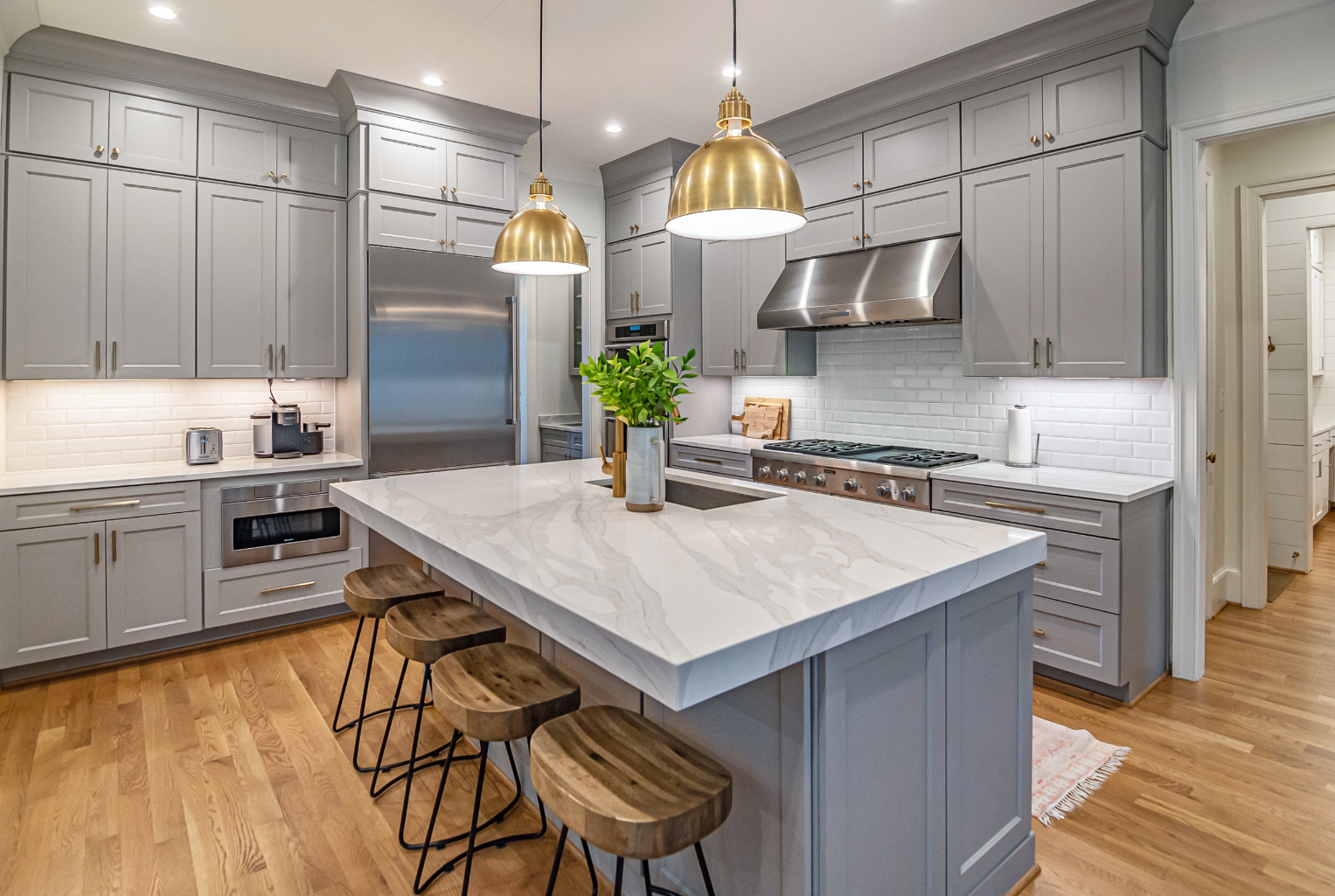
Professional help has the greatest value when one choice affects several others. Moving a kitchen island may change lighting placement, flooring quantities, and walking clearances. An experienced designer or contractor can spot those connections while they’re still inexpensive to correct on paper.
Outside guidance can also make quotes easier to compare. Ask each professional to price the same scope, product quality, and installation work. The project budget should include design fees, permits, delivery costs, and a reserve for hidden conditions. These home improvement budgeting tips offer useful ideas for setting priorities and preparing for costs that don’t appear in a showroom price.
Timeless Finishes vs Quick Trends
Trendy details work best when they’re easy to replace. Paint, cabinet hardware, lamps, and throw pillows can bring current color into a room without locking the budget into a short-lived look. For expensive surfaces, choose materials that coordinate with several styles and are easy to maintain.
Neutral doesn’t have to mean bland. Warm wood tones, subtle stone patterns, and simple tile layouts can create texture while giving future decor room to change. Resale should not control every personal choice, but reviewing upgrades that pay off can help you identify projects that may appeal to a broader group of buyers. Spend more on durability and daily function, then use lower-cost accents for personality.
Keeping Projects on Financial Track
Track committed costs, not only bills already paid. Once you approve a $3,000 cabinet order, that money should come out of the available budget even if the invoice isn’t due for several weeks. Update your numbers after every selection and change order so the remaining balance stays accurate.
Keep a contingency fund separate from optional upgrades. If no hidden wiring, water damage, or structural issue appears, you can decide near the end if that money should cover a finishing touch. Families handling a major project alongside regular bills may also find these ideas for managing big expenses on a small budget helpful.
Before work begins, print the final selection list and walk through it line by line with the project lead. That short meeting can catch a missing fixture or wrong finish before it becomes an expensive correction.