Trade Highway Traffic for Scenic Rail Corridors
A scenic rail trip can turn the travel portion of an outdoor getaway into part of the experience. Trains let you skip long hours behind the wheel, watch the terrain change, and arrive with more energy for the trail. They can also simplify trips where parking is scarce, or road congestion is unpredictable. The key is choosing a useful route, packing for limited onboard space, and allowing enough time between the station and trailhead.
Leaving Traffic Behind
Driving gives you flexibility, but busy roads can quickly eat into a weekend outdoors. The Federal Highway Administration’s overview of congestion and reliability explains how traffic delays can vary from day to day due to crashes, construction, and changing demand. That uncertainty matters when you have a fixed check-in time or limited daylight for setting up camp.
Rail schedules provide a clearer framework. Look for a station close to your lodging or trail shuttle, then compare the full door-to-door travel time with driving. Include fuel stops, rest breaks, and parking searches in your calculation. A train that appears slower on paper may still offer a calmer and more predictable trip.
Viewing Rugged Landscapes in Comfort
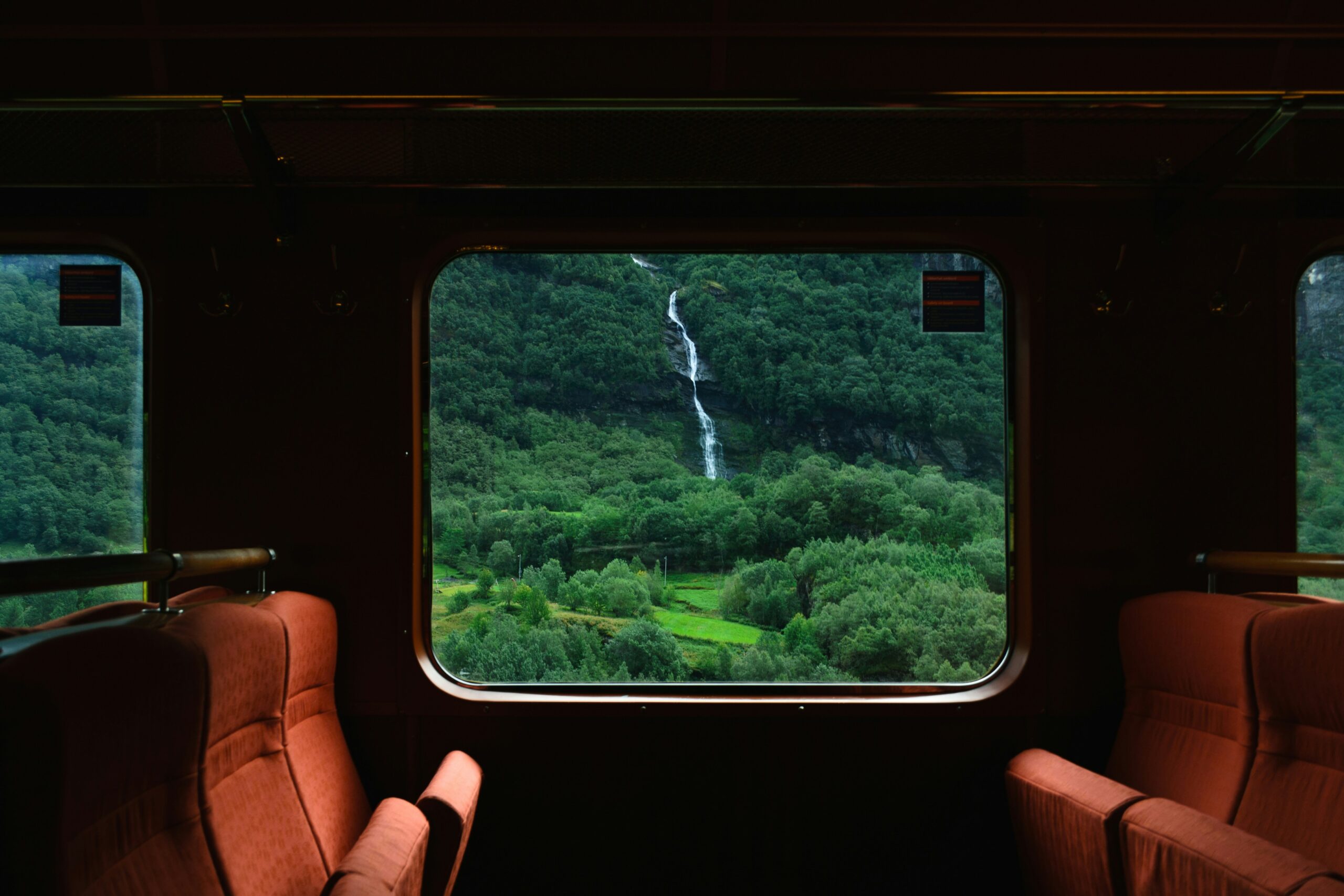
Rail corridors often pass through valleys, mountain gaps, and river canyons where major highways would be difficult to build. From your seat, you may see terrain that’s hidden from roadside viewpoints. You can also study the weather, check trail conditions, and identify landmarks before you arrive.
Choose a daytime departure if scenery is a priority. When seat selection is available, check the route map to see which side faces rivers, coastlines, or mountain ranges. Travelers planning rail trips across China can use China High Speed Rail to find route guides, schedules, ticket information, travel times, and scenic highlights. Similar route research is useful anywhere: check seasonal daylight hours and remember that tunnels may limit views along mountainous sections.
What World-Class Rail Teaches Us
Strong rail networks show how transportation options can support both travelers and crowded regions. Discussions about rising traffic demand highlight the limits of relying on road expansion alone. For outdoor travelers, the practical lesson is simple: check rail connections before assuming a car is the only workable choice.
Useful systems tend to combine frequent departures with clear station information and links to local transportation. Apply that standard when comparing routes. A station served by a morning bus, hotel shuttle, or licensed taxi may be far more useful than one that leaves you several miles from the trail. Also check the final return service so a delayed hike doesn’t leave you stranded overnight.
Keeping Gear Organized on Board
Pack light and keep your belongings organized in an easy-to-carry backpack. Store tickets, identification, medication, and chargers in an accessible pocket. Keep rain gear and snacks within reach, and place muddy shoes in a washable bag.
Preparing for an outdoor getaway also means choosing the right essentials for the journey and the activities ahead. A practical adventure trip packing checklist can help travelers remember useful items such as a comfortable backpack, binoculars, and suitable camping equipment.
Before booking, check luggage limits and rules for oversized gear, such as trekking poles. When traveling with children, give each one a small bag with water, a warm layer, and a quiet activity.
Starting Hikes Fresh and Rested
A train seat gives you time to eat, hydrate, and rest your legs before a hike. Use the final 30 minutes to refill your daypack from your main bag, download any last route details, and apply sunscreen if the trailhead is exposed. Keep your hiking shoes accessible so you aren’t searching through your luggage on the platform.
Avoid scheduling a demanding hike immediately after a tight connection. Allow at least an hour for leaving the station, finding local transportation, and handling minor delays. On remote routes, build in a larger buffer and save offline maps because mobile service may fade beyond town.
Once you arrive, pause long enough to adjust your pack and check the sky. Starting the trail rested, organized, and unhurried is one of rail travel’s best rewards. Before setting out, prepare for the trail by checking the weather, planning your route, and packing enough food, water, and essential gear. These practical tips for planning a day hike can help you stay safe and make the most of your outdoor adventure.